Ahmedabad Digital Marketing Meetup – Volume 33.0
Speaker: Amit P. Jivani
CEO, Simprosys InfoMedia
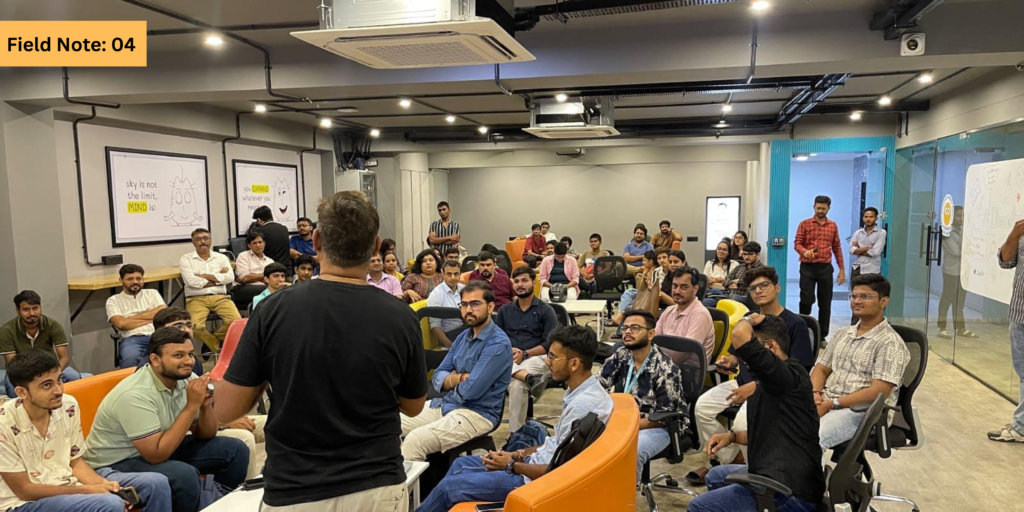
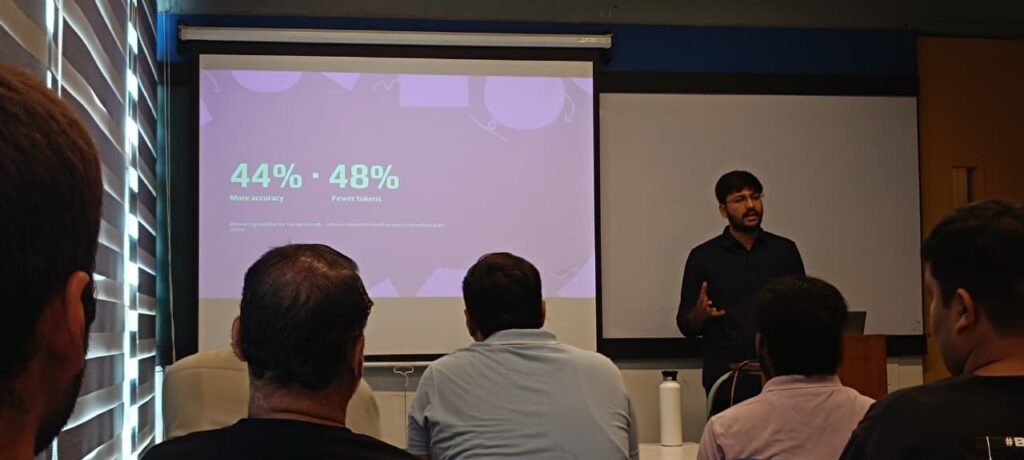
The Ahmedabad Digital Marketing Meetup featured a practical session by Amit P. Jivani, CEO of Simprosys InfoMedia, on Product Feed Optimization and its role in improving Shopping campaign performance.
Rather than focusing only on campaign optimization or bidding strategies, the session highlighted an often-overlooked area—the product data feed. Amit shared how a well-structured and optimized product feed can directly impact product visibility, click-through rates (CTR), return on ad spend (ROAS), and overall campaign performance.
The discussion was supported by real-world examples and practical recommendations that businesses can apply to their Google Shopping and other catalog-based advertising campaigns.
What is a Product Data Feed?
A product data feed is a structured file (API, XML, CSV, or TSV) that sends product information from an eCommerce store to advertising platforms such as:
- Google Shopping
- Meta Advantage+ Catalog
- Microsoft Bing Shopping
- Amazon Marketplace
- Other comparison shopping engines
It acts as the bridge between your product catalog and advertising platforms.
Why Feed Optimization Matters
One of the strongest messages from the session was:
Many advertisers invest heavily in campaigns, but very little in improving the quality of their product feed.
According to Amit, improving feed quality often delivers better returns than simply increasing advertising budgets.
Benefits of a Well-Optimized Feed
- Better product visibility
- Higher Click-Through Rate (CTR)
- Lower Cost Per Click (CPC)
- Improved Return on Ad Spend (ROAS)
- Better product eligibility across shopping platforms
Common Feed Issues Discussed
Amit explained several mistakes that frequently reduce Shopping campaign performance:
- Generic product titles
- Missing GTIN or MPN values
- Incorrect pricing or stock availability
- Poor product categorization
- Low-quality product images
- Outdated product information
Many of these issues quietly reduce impressions without advertisers realizing the actual reason.
Key Feed Optimization Pillars
1. Product Titles & Descriptions
Product titles should clearly describe the product using important details such as:
- Brand
- Product Type
- Key Features
- Color
- Size
A descriptive title improves search relevance and helps products match customer searches more effectively.
2. Complete Product Attributes
The speaker emphasized completing both required and recommended attributes instead of filling only mandatory fields.
Examples include:
- Brand
- GTIN
- Product Category
- Size
- Color
- Material
- Gender
- Age Group
Complete product information improves ranking opportunities and shopping visibility.
3. Product Images
Images create the first impression for shoppers.
Recommended practices:
- Clean white background
- High-resolution images
- No promotional text or watermarks
- Lifestyle images can be added as secondary images
4. Correct Categorization
Products should be placed under accurate Google Product Categories while maintaining a meaningful internal product hierarchy.
Correct categorization helps Google understand where products belong and improves targeting.
5. Price & Availability Accuracy
Amit highlighted that Google regularly compares feed information with landing pages.
Any mismatch in:
- Price
- Availability
- Sale information
can result in product disapprovals or policy warnings.
Keeping the feed synchronized is essential.
6. Custom Labels
One interesting section covered Custom Labels.
Instead of treating every product equally, advertisers can create labels based on:
- High-margin products
- Best Sellers
- Seasonal Products
- Premium Products
- Clearance Items
This allows better campaign segmentation and smarter bidding strategies.
7. Feed Freshness
Feed optimization isn’t a one-time activity.
The speaker recommended:
- Scheduled Feed Fetch
- Content API
- Automated Feed Synchronization
to ensure products always reflect current pricing and inventory.
Real Performance Improvements Shared
Amit presented examples showing how feed optimization can improve campaign performance:
- Better product titles can significantly improve CTR.
- Adding GTINs increases eligibility for Shopping placements.
- Custom Labels help improve ROAS through better bidding strategies.
The key takeaway was that small improvements across multiple feed attributes can create a significant overall impact.
Practical Takeaways
- Feed quality should be treated as a marketing asset, not just a technical requirement.
- Optimize product titles before increasing advertising budgets.
- Keep pricing and stock information synchronized with your website.
- Review feed quality regularly instead of only during campaign setup.
- Automate feed management whenever possible, especially for large product catalogs.
Additional Insights (AI Assisted)
The following suggestions are AI-generated to provide additional learning beyond the meetup discussion.
- Review product feeds every month to identify missing attributes and optimization opportunities.
- Use custom labels to create separate campaigns for high-profit and seasonal products.
- Monitor Merchant Center diagnostics regularly to detect disapproved or limited products.
- Test different title structures to improve product visibility and CTR over time.
Final Thoughts
This session reinforced that successful Shopping campaigns begin long before bidding strategies or ad creatives. A strong product feed forms the foundation for accurate targeting, better visibility, and improved campaign performance.
Amit Jivani’s practical examples made it clear that investing time in feed optimization can often produce better business outcomes than simply increasing advertising spend.
AI Disclaimer
Some additional recommendations included in this field note were generated using AI to provide further learning for readers. These sections have been reviewed and refined by the Twin Owl Team. The core discussion and key takeaways are based on the speaker’s presentation at the Ahmedabad Digital Marketing Meetup.
Also Read: Field Note: AI × Marketing Meetup Ahmedabad Edition